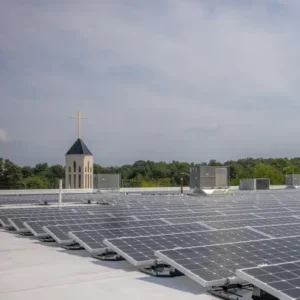

For First Presbyterian Church of South Charleston, going solar was about more than reducing electricity bills. It was about caring for the environment, managing rising operating costs, and protecting the church’s ability to serve its community for years to come.
Like many churches across Appalachia, First Presbyterian Church of South Charleston has faced the challenge of balancing its mission with the rising costs of maintaining an aging building. With a shrinking congregation, high utility bills, and significant electrical upgrades, church leaders knew they needed to find a sustainable path forward.
For Mark, a church elder who helped champion the solar project, the answer had been on his mind for years.
“I had wanted to do solar for over 20 years,” Mark shared. After seeing another Presbyterian church go solar with Solar Holler, he attended a community solar event and brought what he learned back to First Presbyterian’s leadership.
That conversation helped set the church on a path toward lower electricity costs and a more sustainable future.
Finding a Way Forward Amid Rising Costs
First Presbyterian Church has experienced many of the same challenges facing congregations throughout the region. Sunday attendance, once more than 100 people, has declined to around 40. Meanwhile, the cost of keeping the building running remains a significant financial responsibility.
For more than 30 years, the church also operated a daycare facility that served families from early morning until evening. The program consumed substantial amounts of electricity, gas, and water. Eventually, the costs became too difficult to sustain, and the daycare closed.
Even with that reduction in utility usage, the church still faced high electricity bills and another major expense: an electrical system dating back to the 1950s that desperately needed an upgrade.
Rather than viewing these challenges separately, church leadership explored whether combining the electrical work with a solar installation could help make the investment more manageable over the long term.
Making Solar Financially Possible
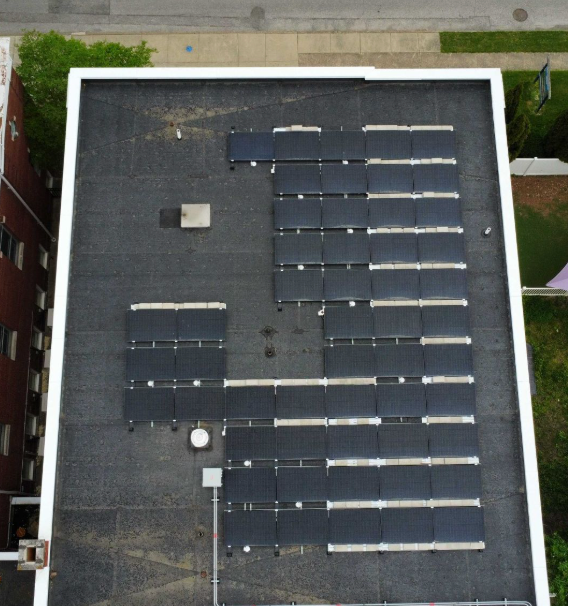 For a church operating on a limited budget, the upfront cost of solar and necessary electrical upgrades was a serious consideration. The project ultimately came together through a combination of the church’s cash reserves, a grant from the Solar Finance Fund, and an anticipated federal direct pay payment from the IRS.
Mark emphasized that the grants and financial incentives that Solar Holler helped them navigate were essential. Collectively, they cut the cost of the project by nearly $50,000 and left the church with a remaining sum that they could reasonably afford.
Their experience illustrates an important point for other faith communities: solar can be a practical long-term investment, but understanding the available funding and incentives is often critical to making a project possible.
Turning Sunlight Into Savings
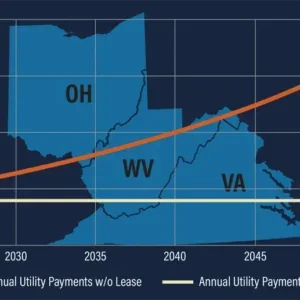
Over the long term, the church’s investment will translate into $200,000 in utility bill savings, preserving valuable resources for the people and programs it serves.
And the benefits extend beyond the monthly utility bill. Solar supports the church’s commitment to environmental stewardship and the responsible use of natural resources. For Mark, those values go hand in hand with the church’s mission. Caring for creation is another way a congregation can put its faith into practice. His advice to other organizations considering solar is straightforward: explore the opportunity and see whether it makes sense for your building and budget.
Why Churches and Nonprofits Should Explore Solar Now
First Presbyterian Church’s story is especially relevant right now – as the financial landscape for commercial solar projects is rapidly changing.
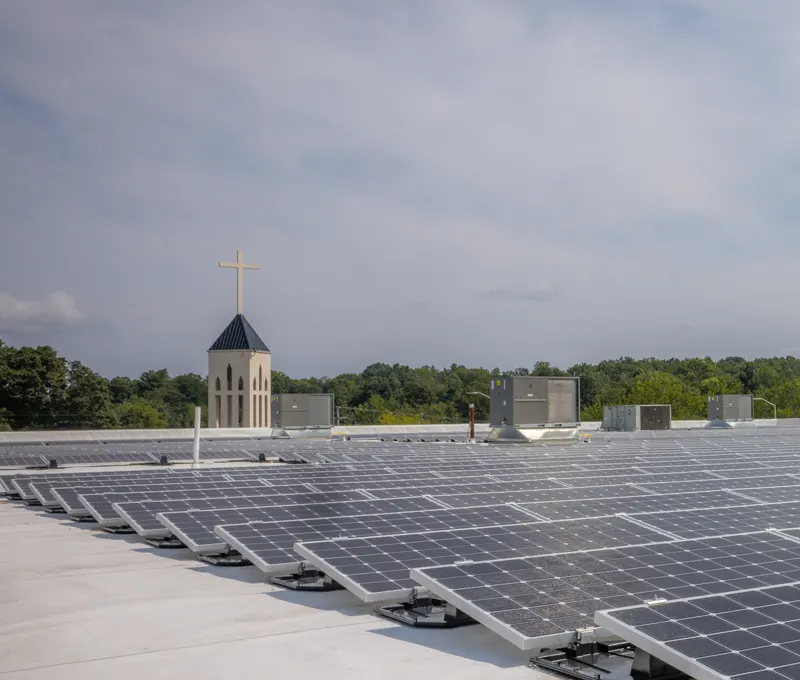
Federal clean energy incentives have helped churches, nonprofits, and other tax-exempt organizations make solar more affordable since passage of the IRA in 2022. Thanks to the federal direct pay mechanism, eligible organizations can receive payments for solar investments even if they do not owe federal income tax. Sadly, that benefit sunsets soon!
Solar Holler is encouraging interested churches, nonprofits, and businesses to begin conversations well ahead of our December 31, 2026 signing deadline. Starting early gives organizations more time to review their electricity usage, assess their property, understand financing options, and determine whether their project can meet the necessary requirements.
Could solar work for your organization? Give us a holler to explore your solar options and find out what incentives you qualify for.