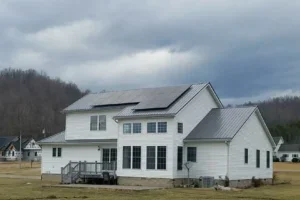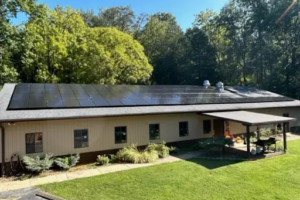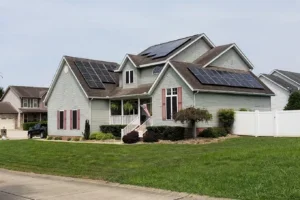

Solar energy from the sun is ongoing, but a home solar energy system has parts that last for different lengths of time. Most solar panels are built to produce electricity for 25 to 30 years or longer, while inverters, batteries, and monitoring equipment may need service or replacement sooner.
That does not mean your solar panels suddenly stop working after year 25. In most cases, panels keep producing power for decades, but their output slowly declines over time. A well-designed system accounts for that gradual change from the beginning.
For homeowners in West Virginia, Virginia, Kentucky, and Ohio, the real question is not just how long solar panels last. It is whether the system is designed, installed, monitored, and supported well enough to deliver value for the long run.
How Long Do Solar Panels Last?
Most residential solar panels are designed to last 25 to 30 years or more. This is why solar is usually viewed as a long-term energy investment rather than a short-term home upgrade.
Solar panels are built to sit outside through heat, cold, rain, snow, wind, and daily sun exposure. Over time, that exposure slowly reduces how much electricity the panels can produce, but it does not usually make them fail all at once.
A 25-year-old solar panel may still work. It may simply produce less electricity than it did when it was first installed. That is why panel lifespan is often measured by useful production, not by the moment the panel stops functioning.
If your home is a good solar fit, a system can keep producing clean power through many seasons of utility rate changes, family energy needs, and everyday life.
What Solar Panel Degradation Means
Solar panel degradation is the gradual loss of energy output over time. It is normal, expected, and built into solar performance estimates.
Many modern solar panels lose around 0.5% of production per year, though the exact rate depends on the panel, manufacturer, installation quality, weather exposure, and system conditions. That means a panel can still produce most of its original power after 25 years.
For homeowners, degradation matters because it affects long-term savings. A good solar proposal should show expected production over time, not just what the system may produce in year one.
Solar degradation should not be seen as a red flag. It is part of how solar works, and quality equipment can keep that loss low enough for panels to remain useful for decades.
How Long Does A Full Solar Energy System Last?
A solar energy system is more than the panels on the roof. It can include panels, inverters, mounting hardware, wiring, monitoring equipment, and sometimes battery backup.
Each part has its own expected lifespan. The panels usually last the longest, while other components may need replacement or upgrades before the panels reach the end of their useful life.
| Solar System Part | Typical Lifespan |
| Solar Panels | 25 to 30+ years |
| String Inverters | 10 to 15 years |
| Microinverters | Often designed to last closer to panel life |
| Solar Batteries | 10 to 15 years |
| Racking And Mounting | 25+ years |
| Monitoring Equipment | Varies by system and software |
These are general planning ranges. Actual lifespan depends on equipment quality, system design, weather, usage, maintenance, and support from the installer.
This is why homeowners should think about the full system, not just the panels. A long-lasting solar investment depends on every part working together.
How Long Do Solar Inverters Last?
Inverters are one of the most important parts of a solar system. Solar panels produce direct current electricity, but homes use alternating current electricity. The inverter makes that conversion possible.
If the panels are the long-term power producers, the inverter is the working brain of the system. Without it, the electricity from the panels cannot be used properly in the home.
String inverters often last around 10 to 15 years, which means they may need to be replaced once during the life of the solar panels. Microinverters are different because they are installed at the panel level and may be designed to last closer to the life of the system.
Solar Holler uses Enphase microinverter technology as part of its solar and battery technology approach. Because microinverters work at the panel level, they help avoid one single point of failure and support strong production as sunlight changes throughout the day.
How Long Do Solar Batteries Last?
Solar batteries usually do not last as long as solar panels. Many battery systems last around 10 to 15 years, depending on usage, battery chemistry, charging cycles, warranty terms, and system conditions.
A battery backup system stores energy so your home can use it later. This can be valuable during outages or for families who want more control over how their solar power is used.
Not every home needs a battery. Many residential solar systems are grid-tied, meaning the home uses solar when the panels are producing and stays connected to the utility when more power is needed.
Battery backup can make sense for rural homes, storm-prone areas, homes with medical equipment, or families who want extra resilience. In Appalachia, where weather, hillsides, trees, and rural utility lines can affect service reliability, battery backup is worth discussing during the design process.
Do Solar Panels Stop Working After 25 Years?
Solar panels do not usually stop working the day they turn 25 years old. The 25-year mark often refers to a performance warranty or expected useful production period, not an expiration date.
Panels can continue making electricity after 25 or even 30 years. The question is whether they are still producing enough power to meet the home’s needs.
A household’s electricity use can also change over time. A system that worked well years ago may feel undersized later if the family adds electric vehicles, heat pumps, home offices, or other major electric loads.
In that situation, the answer may not always be full replacement. A solar professional may recommend an inverter repair, system expansion, battery addition, monitoring fix, or panel upgrade depending on the condition of the system.
What Affects How Long Solar Systems Last?
Solar lifespan depends on more than the panel warranty. The quality of the equipment, installation, roof, weather exposure, maintenance, and monitoring all play a role.
A system built carefully from the beginning is more likely to produce reliable power for decades.
Equipment Quality
Better panels, inverters, racking, and batteries usually support better long-term performance. Lower-quality components may reduce upfront cost, but they can create more service issues later.
Solar Holler uses panel brands such as JA Solar, Qcells, and Silfab, along with Enphase technology. The goal is to choose equipment that fits real homes, real weather, and long-term Appalachian energy needs.
Installation Quality
Even strong equipment can underperform if it is not installed correctly. Panel placement, wiring, inverter setup, roof attachments, and system layout all affect durability and production.
Solar Holler’s installation and engineering approach includes reviewing roof pitch, orientation, shading, and system goals before recommending a design. Skilled installation matters because solar is expected to work for decades, not just pass inspection on day one.
Roof Condition
A solar system should be installed on a roof that is ready for long-term use. If a roof is near the end of its life, it may be smarter to replace or repair it before solar is installed.
Removing and reinstalling panels for roof work later can add cost. A careful solar assessment helps identify roof concerns before the project moves forward.
Weather And Shade
Solar panels are built for outdoor conditions, but location still matters. Rain, snow, wind, heat, freezing temperatures, branches, debris, and shade can all affect long-term performance.
In West Virginia and nearby Appalachian communities, tree cover and hillsides are especially important. A roof with heavy shade may not produce the same long-term value as a roof with strong sun exposure.
How To Make Your Solar System Last Longer
Solar systems are low-maintenance, but they are not something to ignore for 30 years. A little attention can help protect long-term production.
Homeowners can support system life by watching production, keeping trees trimmed, and contacting a professional when something looks off.
Helpful steps include:
- Keep nearby branches trimmed away from the panels
- Watch your monitoring dashboard for sudden production drops
- Check visually after major storms if it is safe to do so
- Avoid walking on panels or attempting electrical repairs yourself
- Keep system documents and warranty details in one place
- Contact support if you see alerts, damage, or unusual performance changes
Most homeowners do not need to clean panels constantly. Rain often helps wash away ordinary dust and pollen. However, heavy debris, leaves, bird droppings, or long periods without rain may require attention.
Solar Holler customers can use solar monitoring and system support resources to track production and get help when questions come up.
How Warranties Protect Long-Term Solar Value
Solar warranties help homeowners understand what is covered and what level of performance to expect. The two most common types are product warranties and performance warranties.
A product warranty covers certain equipment defects or failures. A performance warranty explains how much electricity the panels are expected to keep producing over time.
These warranties are important, but they are only part of the picture. The installer, manufacturer, monitoring process, and service support all affect how easily a homeowner can resolve problems.
That is why it helps to work with a solar company that does more than install panels. Long-term value comes from design, equipment selection, installation quality, monitoring, and support after the system is turned on.
Solar Holler’s Approach To Long-Lasting Solar
Solar Holler designs solar systems for Appalachian homes, businesses, farms, churches, schools, nonprofits, and community organizations. The work starts with understanding the property, utility usage, roof shape, shade, and customer goals.
The company’s home solar options are built around helping families take control of energy costs with systems that make sense for their homes. That means the right size, the right equipment, and the right payment path matter from the beginning.
Solar Holler is not just trying to get panels on roofs. The mission is to help neighbors build clean energy value that can last for decades.
That local approach matters in Appalachia. Homes here are not all the same. Rooflines, hillsides, tree cover, utility providers, and energy use can change from one property to the next. A system should be designed for the real home, not a generic national average.
When Should You Replace Solar Panels?
Solar panel replacement may be worth considering if production has dropped significantly, the panels are damaged, warranties have ended, or the system no longer meets your home’s energy needs.
Sometimes the panels are not the problem. The issue may be an inverter, wiring, monitoring equipment, or battery. A professional inspection can help determine whether repair or replacement makes more sense.
Some homeowners also upgrade older systems before the panels fully fail. Newer panels may produce more power in less space, which can help if household energy use has grown.
Replacement should be a practical decision. If your panels are still producing well, keeping them may be the right move. If the system is old, underperforming, or difficult to service, an upgrade may offer better long-term value.
Are Solar Panels Worth It If They Degrade Over Time?
Solar panels can still be worth it even though they slowly degrade. Degradation is part of the long-term production estimate, not a surprise failure.
The real question is whether the system is properly designed for your home, installed with care, and financially sensible for your goals. A good solar system should be built with decades of use in mind.
Solar can help reduce dependence on rising utility costs, produce clean energy at home, and create long-term value. For many Appalachian families, it also supports a bigger idea: our region can keep powering America in a new way.
A free solar assessment can show expected production, equipment choices, payment options, and whether solar makes sense for your home’s long-term energy future.
FAQs About How Long Solar Energy Lasts
How Long Does Solar Energy Last?
Solar energy from the sun is ongoing, but a home solar energy system usually lasts 25 to 30 years or longer. Panels often last the longest, while inverters and batteries may need replacement sooner.
How Long Do Solar Panels Last On A House?
Most solar panels last 25 to 30 years or more. They usually do not stop working all at once. Instead, they slowly produce less electricity over time.
Do Solar Panels Still Work After 30 Years?
Yes, many panels can still work after 30 years. However, they may produce less electricity than they did when new, and replacement may make sense if output no longer meets the home’s needs.
How Fast Do Solar Panels Lose Efficiency?
Many modern solar panels lose a small percentage of output each year, often around 0.5%. The exact rate depends on the panel, warranty, climate, installation quality, and maintenance.
How Long Do Solar Inverters Last?
String inverters often last around 10 to 15 years. Microinverters may be designed to last closer to the life of the panels, depending on the product and system conditions.
How Long Do Solar Batteries Last?
Many solar batteries last around 10 to 15 years. Battery life depends on usage, charge cycles, warranty terms, and how often the battery is discharged.
What Happens When Solar Panels Get Old?
Older panels may keep producing electricity, but at reduced output. Homeowners may choose to keep using them, repair part of the system, add batteries, replace an inverter, or upgrade to newer panels.
How Can I Make My Solar Panels Last Longer?
Choose quality equipment, work with an experienced installer, monitor production, trim nearby trees, avoid DIY roof work around the panels, and contact support if output drops unexpectedly.
Is A 25-Year Solar Warranty The Same As Panel Lifespan?
No. A 25-year warranty usually means the manufacturer guarantees certain coverage or performance during that period. Panels may continue working after the warranty ends.
Should I Repair Or Replace My Solar System?
It depends on the problem. If the panels are still producing well, an inverter repair, monitoring fix, or battery update may be enough. If the system is old and production is low, replacement may be worth considering.
Find Out If Solar Is Built To Last For Your Home
Every property is different. Roof shape, shade, energy usage, equipment needs, battery goals, and utility rules all affect long-term solar performance.
Solar Holler can review your home and show whether solar makes sense for the long run. Request your free solar assessment and see how clean energy could work for your Appalachian home.