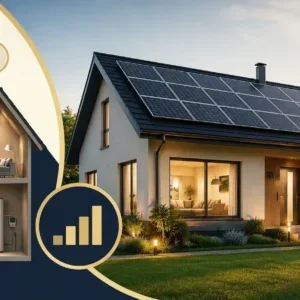

Solar panels can be worth it in West Virginia for many homeowners, especially if you have a higher monthly electric bill, a roof with good sun exposure, and plans to stay in your home long enough to benefit from long-term savings.
The honest answer is not the same for every house. A sunny roof in Huntington with a high utility bill may have a very different solar outcome than a shaded mountain home with lower electricity use.
That is why the best way to answer “Is solar worth it?” is to look at your home, your utility bill, your roof, and your payment options together. Solar is not just about buying panels. It is about deciding whether you can take more control over a bill that keeps showing up every month.
Solar Can Be Worth It For Many West Virginia Homes
For many West Virginia families, solar is worth considering because it can reduce the amount of electricity you buy from the utility. Over time, that can create meaningful savings and make your energy costs more predictable.
West Virginia has historically had lower electricity rates than some other states, which can affect solar payback comparisons. But rates alone do not tell the full story.
For many West Virginia households, the bigger issue is energy burden. Move.org’s 2026 utility cost data ranked West Virginia as the most expensive state for utilities based on total cost and percentage of income, with utilities taking up 13.59% of median monthly income. That makes monthly energy costs a serious concern for many families, even in a state where electric rates have often been considered relatively low.
Solar is usually strongest for homeowners who have steady electricity usage, a roof with solid sun exposure, and a long-term interest in staying in the home. If you are already paying a high monthly electric bill, solar may give you more room to shift that money toward energy produced at home.
A free Solar Holler solar assessment can help you see whether the numbers work for your actual home instead of relying only on statewide averages.
What Makes Solar Worth It In West Virginia?
A solar system is only as good as the match between the design and the home. The right system should reflect your energy usage, your roof, your utility company, and your goals.
In West Virginia, local factors matter. Trees, hillsides, roof direction, utility rules, and seasonal energy use can all affect how much power your panels produce and how much value you get back.
Your Monthly Electric Bill
Your monthly electric bill is one of the biggest signs that solar may be worth it. The higher your bill, the more opportunity there may be to offset utility electricity with power produced by your own solar panels.
A homeowner paying $250 or $300 per month usually has a different solar opportunity than someone paying $75 per month. Larger bills often mean larger energy usage, and larger energy usage may justify a bigger solar system.
This is where Solar Holler’s “bill swap” idea becomes helpful. Instead of sending all of your energy money to the utility every month, solar may let you redirect part of that budget toward a system that produces power for your home.
Your Roof’s Sun Exposure
Sun exposure is another major factor. Solar panels perform best when they receive strong, direct sunlight for much of the day.
South-facing and west-facing roof sections are often strong candidates, but every roof needs to be reviewed on its own. Shade from trees, chimneys, dormers, neighboring buildings, and nearby hills can affect production.
West Virginia homes are not cookie-cutter, and their solar systems should not be either. A property in Charleston, Morgantown, Parkersburg, Beckley, Wheeling, Martinsburg, or a rural mountain community may each need a different design.
Your Utility Company
Your utility company also affects whether solar is worth it. West Virginia homeowners may be served by Appalachian Power, Mon Power, Potomac Edison, or a local electric cooperative.
Each utility has its own billing structure, interconnection process, and net metering rules. That means your solar savings should be estimated using your real utility bill, not a generic national assumption.
This is one reason local experience matters. A West Virginia solar installer should understand how local utility rules affect design, savings, and the steps needed to connect your system to the grid.
How Long You Plan To Stay In The Home
Solar is usually a long-term decision. If you plan to move in the next year or two, the financial calculation may be different.
If you plan to stay in your home for 10, 15, or 20 years, solar may be more compelling. That gives the system more time to produce electricity, reduce utility purchases, and create long-term value.
For many families, the value is not only financial. Solar can also provide a stronger sense of energy independence and a cleaner way to power daily life in West Virginia.
How Much Can Solar Panels Save In West Virginia?
Solar savings in West Virginia vary widely. Some homeowners may see modest savings, while others may save tens of thousands of dollars over the life of the system.
The difference comes down to system size, electric bill, roof production, utility rates, net metering rules, financing terms, and whether the homeowner buys, finances, or leases the system.
If your utility rates rise over time, the value of producing your own power can become more noticeable. A system that offsets a high electric bill may create stronger savings than a small system on a low-usage home.
The most useful estimate will always come from your own numbers. Solar Holler can review your usage, roof, and utility provider to show a more realistic savings picture for your home.
What Is The Payback Period For Solar In West Virginia?
Solar payback is the point when your energy savings catch up to the cost of the system. In West Virginia, public estimates often place solar payback around 8- 14 years, though your actual result may be shorter or longer.
A longer payback period does not automatically mean solar is not worth it. It means the system needs to be designed carefully around your home’s real energy use and your payment option.
A cash purchase, solar loan, and solar lease can all create different payback and savings outcomes. Ownership may provide stronger long-term savings, while leasing may reduce upfront barriers and simplify maintenance.
The smartest approach is to compare your current utility bill with a custom solar estimate. That gives you a clearer view of monthly savings, long-term value, and whether solar fits your goals.
How Much Do Solar Panels Cost In West Virginia?
Solar panel costs in West Virginia vary based on system size, roof layout, equipment, electrical work, and payment method. Many public estimates place residential solar costs in the low-to-upper $3 per watt range before project-specific adjustments.
A smaller system may cost much less than a larger system designed to offset a high electric bill. Homes with electric heating, larger families, EV charging, workshops, or high year-round usage may need more panels.
Cost is important, but it should not be viewed alone. A lower-cost system that does not produce enough power may not deliver the best value. A properly sized system should be designed around your real energy needs.
Does Net Metering Make Solar More Valuable In West Virginia?
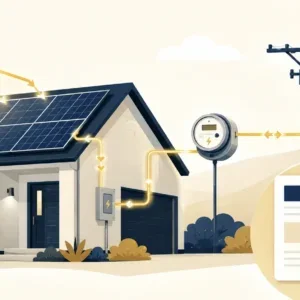
Net metering can make solar more valuable by giving homeowners credit for extra electricity their system sends to the grid. In simple terms, when your panels produce more power than your home is using, that excess energy can flow back to the utility.
Net metering rules can change, and they can vary by utility. That is why a solar proposal should explain how your utility treats excess production before you make a decision.
Net metering does not always mean your electric bill becomes zero. You may still have connection fees, utility charges, or usage beyond what your panels produce.
What About Solar Incentives In West Virginia?
West Virginia has fewer state-specific solar rebates than some other states, so homeowners should think about solar value through the full picture: monthly bill reduction, net metering, financing, long-term production, and ownership goals.
It is also important to be careful with federal tax credit claims in 2026. The IRS currently states that the Residential Clean Energy Credit applied to qualified clean energy property installed from 2022 through December 31, 2025, and is not available for property placed in service after December 31, 2025.
Because tax rules can be complicated, homeowners should speak with a qualified tax professional before assuming any incentive applies. Solar Holler can help you understand the solar side of the project, but tax eligibility should always be confirmed by a tax advisor.
This honest approach matters. Solar should make sense based on real numbers, not outdated incentive claims or one-size-fits-all promises.
Is It Better To Lease Or Buy Solar Panels In West Virginia?
The best option depends on your budget, ownership goals, and how you want to manage long-term responsibility. There is no single right answer for every homeowner.
Buying may be best if you want full system ownership and the strongest long-term savings potential. Financing with a solar loan may be a good fit if you want ownership but prefer monthly payments and no upfront costs.
A solar lease may be a better fit for eligible homeowners who want solar with no upfront cost, predictable monthly payments, and maintenance handled by Solar Holler. That can make solar more accessible for families who are ready to reduce utility dependence but not ready for a large purchase.
If you want to compare ownership and leasing, Solar Holler explains both home solar options in West Virginia and its solar lease with no upfront cost for eligible homeowners.
When Solar May Not Be Worth It For A WV Home
Solar is powerful, but it is not perfect for every property. A good solar company should be honest about that.
Solar may not be the right fit if your roof is heavily shaded, needs replacement soon, or does not have enough usable space. It may also be less compelling if your electric bill is already very low or if you plan to move before you can benefit from long-term savings.
Financing also matters. If the payment option does not create a practical monthly outcome, it may be better to wait or explore a different system design.
That is why Solar Holler starts with an assessment. The goal is not to force solar onto every roof. The goal is to find out whether solar actually works for your home.
Does Solar Work In West Virginia Weather?
Yes, solar panels work in West Virginia weather. Panels still produce electricity on cloudy days, although they produce more power in direct sunlight.
The bigger question is not whether solar works here. It is how well your specific roof can produce power based on sun exposure, shade, direction, and system design.
West Virginia’s hills, trees, and seasonal weather make custom design especially important. A system should account for local conditions instead of assuming your home performs like one in a flatter, sunnier state.
Solar Holler designs systems for Appalachian homes, which means looking at the real property, not just the zip code.
Why West Virginia Homeowners Choose Solar Holler
Solar Holler is rooted in West Virginia and built around a simple mission: repowering Appalachia with clean energy that more families can actually reach.
As a full-service solar developer and installer, Solar Holler helps homeowners with design, financing guidance, installation, monitoring, and long-term support. The team understands West Virginia homes, West Virginia utilities, and the questions local families ask before making the switch.
Solar Holler also offers practical paths to solar, including purchase, solar loan, and lease options where eligible. That gives homeowners more than one way to look at the numbers.
For many families, solar is not only about saving money. It is about keeping energy value closer to home, reducing dependence on rising utility costs, and helping West Virginia continue its long history of energy production.
FAQs
Are Solar Panels Worth It In West Virginia?
Yes, solar panels can be worth it for many West Virginia homeowners, especially those with higher electric bills, good sun exposure, and plans to stay in the home long enough to benefit from long-term savings.
The best way to know is to compare your current utility bill with a custom solar estimate for your home.
What Is The Average Solar Payback Period In West Virginia?
Public estimates often place West Virginia solar payback around 8 to 14 years. Your actual payback depends on system cost, utility rates, roof production, net metering, and payment option.
A custom assessment can give you a more realistic estimate than a statewide average.
How Much Can I Save With Solar Panels In West Virginia?
Savings vary widely, but many homeowners can save thousands over the life of the system. Homes with high electric bills and strong solar production usually have better savings potential.
Your savings will depend on how much electricity your panels produce and how much utility power you avoid buying.
Does West Virginia Have Net Metering?
Yes, West Virginia has net metering for eligible customer-generators, but details can vary by utility and may change over time.
Homeowners should confirm current rules for Appalachian Power, Mon Power, Potomac Edison, or their electric cooperative before making a decision.
Do Solar Panels Work On Cloudy Days In West Virginia?
Yes. Solar panels still produce electricity on cloudy days, but output is lower than on sunny days.
That is why roof exposure, shade, and system design are especially important in West Virginia.
Is A Solar Lease Worth It In West Virginia?
A solar lease may be worth it for eligible homeowners who want no-upfront-cost solar, predictable monthly payments, and maintenance handled by the solar provider.
Buying may offer stronger long-term ownership benefits, so it is worth comparing both options.
Can Solar Panels Eliminate My Electric Bill?
Solar can reduce the amount of power you buy from the utility, but it may not eliminate every charge.
Many homeowners still receive a utility bill for connection fees, utility charges, or electricity used beyond solar production.
What Homes Are Best For Solar In West Virginia?
Homes with higher electric bills, strong sun exposure, enough roof space, limited shade, and long-term ownership plans are usually better candidates for solar.
A free solar assessment can help confirm whether your home is a good fit.
Find Out If Solar Is Worth It For Your West Virginia Home
Every West Virginia home is different. Online averages can help you understand the basics, but they cannot tell you exactly how much solar would cost, how much it would produce, or whether the monthly numbers work for your home.
Solar Holler can review your utility bill, roof, location, shade, and payment options to help you decide if solar makes sense. Request your free solar assessment and get honest numbers for your West Virginia home.